Metal Framing vs Wood Framing: Which is Right for Your Project?
09 Mar
EM Building Contractors
09 Mar, 2026
Metal Framing vs Wood Framing: Which is Right for Your Project?
Understanding the Differences
Both metal (steel stud) and wood framing are widely used in construction, but they serve different purposes and perform differently in various applications. Understanding these differences will help you make the right choice for your project.
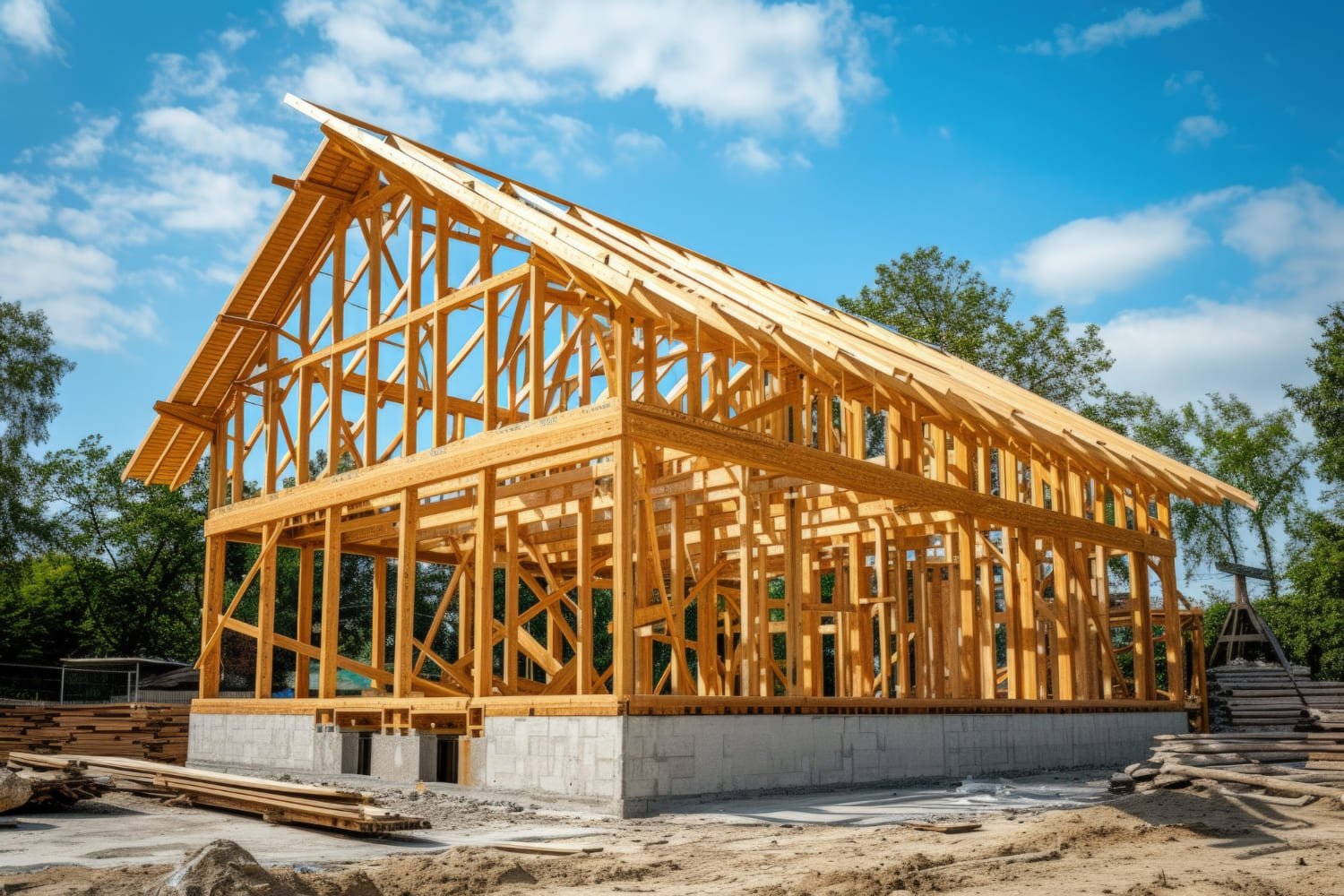
When to Choose Wood Framing
Residential construction — Single-family homes, duplexes, and townhomes are typically wood-framed due to cost and ease of construction.
Budget-sensitive projects — Wood materials and labor generally cost less than steel alternatives.
Projects requiring on-site modifications — Wood is easy to cut and adjust in the field.
Areas with low moisture exposure — When properly treated and protected, wood performs well in controlled environments.
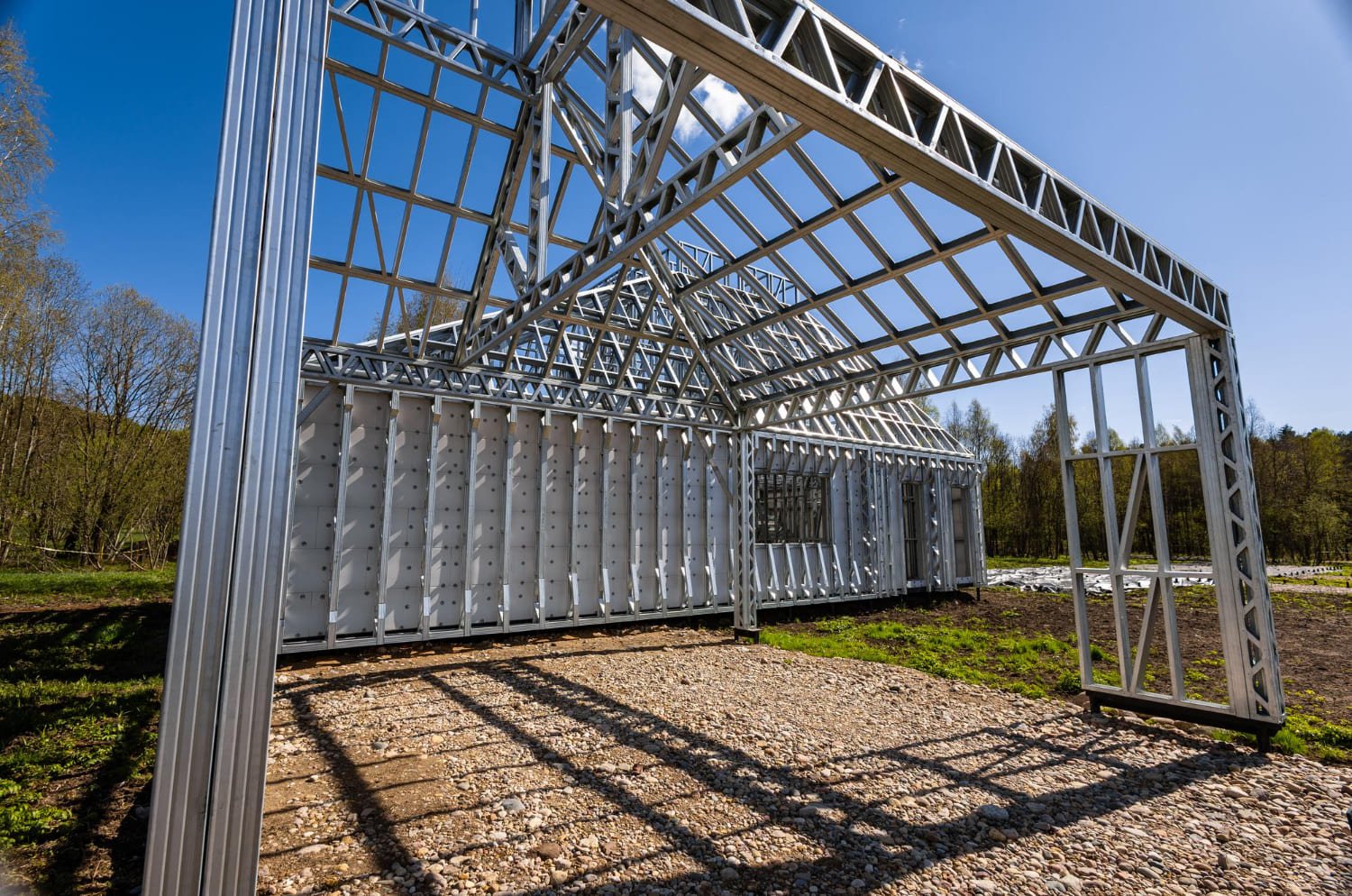
When to Choose Metal Framing
Commercial buildings — Offices, retail spaces, hospitals, and schools often require the fire resistance and dimensional stability of steel.
Multi-story construction — Steel framing provides consistent strength without the warping or shrinking issues that can affect wood over time.
High-moisture environments — Steel does not rot, warp, or attract termites, making it ideal for coastal or humid climates.
Fire-rated assemblies — Steel framing is non-combustible and is often required for fire-rated wall and ceiling assemblies in commercial construction.
Cost Comparison
While steel studs themselves can be comparable in price to wood, the total installed cost of metal framing is typically higher due to specialized tools, fasteners, and the skill level required for installation. However, the long-term benefits of steel — including lower maintenance, pest resistance, and fire safety — can offset the initial cost difference in commercial applications.
The EM Building Contractors Approach
At EM Building Contractors, LLC, we are experienced in both wood and metal framing systems. We evaluate each project individually and recommend the framing method that best meets your structural requirements, budget, and timeline. Our crews are trained in both systems, ensuring consistent quality regardless of the material chosen.